Example FRCS Plast questions
Cleft & Craniofacial: FRCS(Plast) example questions
Our coverage spans the whole JCST curriculum in both areas, from primary cleft lip and palate repair and secondary speech surgery through to craniosynostosis, orbital surgery and craniomaxillofacial trauma, with illustrated questions and referenced explanations throughout.
Cleft lip & nose
Cleft palate
VPI & speech surgery
Alveolar bone grafting
Orthognathic surgery
Craniosynostosis
Craniofacial syndromes
Orbital surgery
Craniofacial tumours
Craniomaxillofacial trauma
Back to Overview
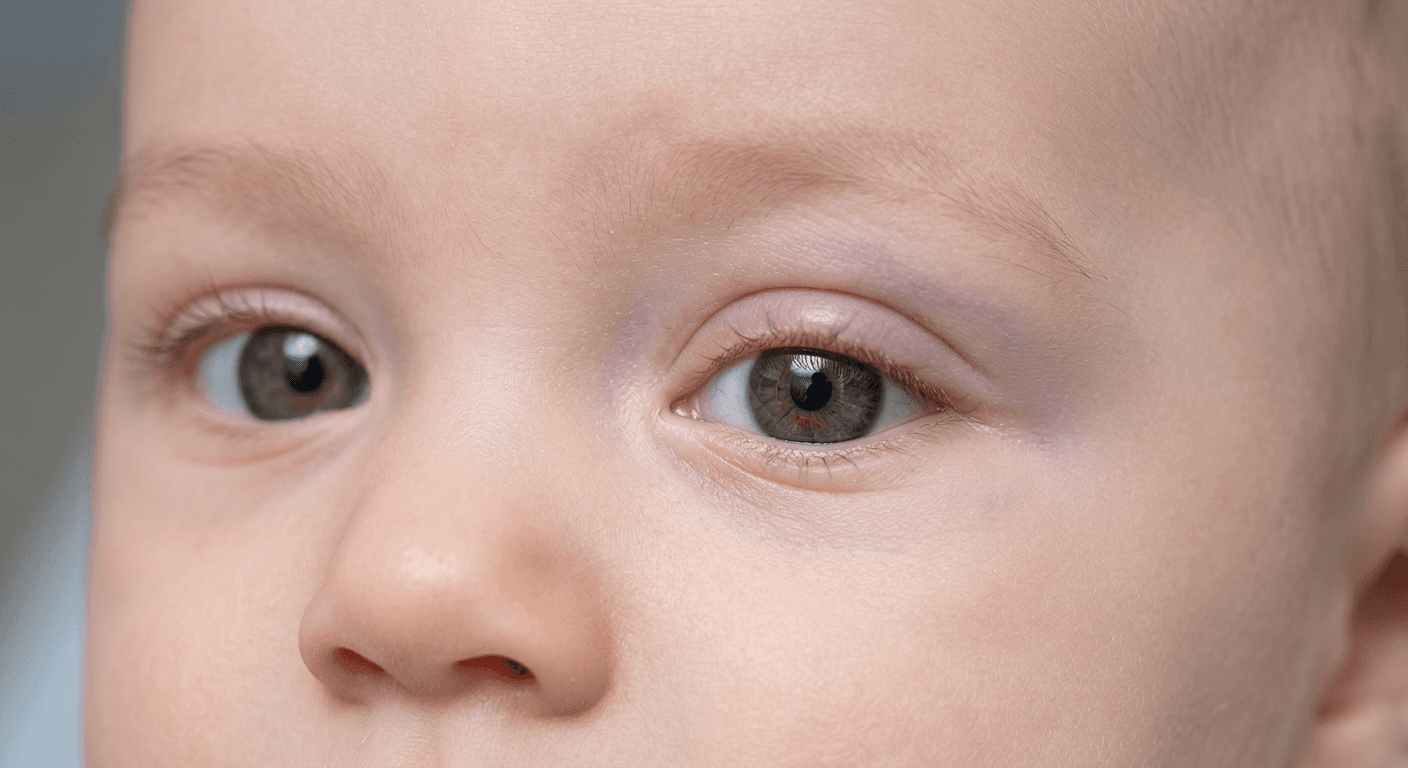
The periocular region is a high-risk site because the amblyogenic window is the first year of life.
Three concerns are present:
Deprivation from ptosis
Strabismus
Astigmatism - from mass effect on the globe.
A clear visual axis is falsely reassuring. A deep lesion indenting the globe is amblyogenic in its own right, so watchful waiting is wrong despite the natural history of involution; even one to two weeks of visual deprivation under the age of two can produce permanent cortical visual deficit.
Oral propranolol is first-line systemic therapy. The licensed regimen of 3 mg propranolol base/kg/day for six months achieved complete or near-complete resolution in 60.4% versus 3.6% for placebo. Efficacy is greatest during the proliferative phase, so referral should be urgent. Check baseline heart rate and blood pressure, and screen for PHACE if the lesion is segmental and over 5 cm. Joint paediatric ophthalmology input for refraction, spectacles and occlusion is mandatory - treating the haemangioma does not treat established amblyopia.
Other answers:
Topical timolol suits thin superficial lesions and will not penetrate a deep one.
Pulsed dye laser addresses colour, not bulk.
Intralesional triamcinolone risks embolic retinal artery occlusion and eyelid necrosis, and is largely superseded.
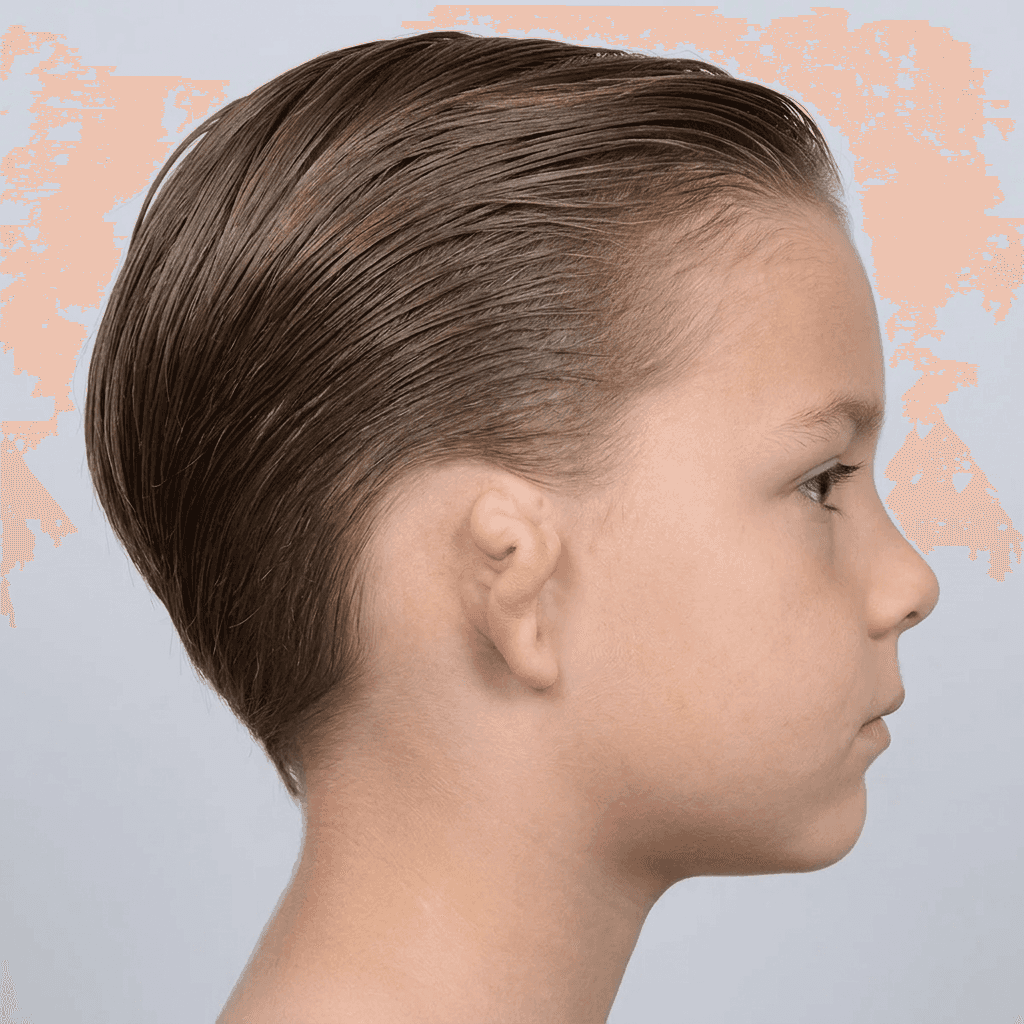
Timing is driven by costal cartilage volume, not chronological age or auricular growth.
The auricle reaches roughly 85% of adult size by 4 years and near-adult vertical height by 6 - which is why Brent operates from about 6, his multi-stage framework requiring less cartilage. Nagata's two-stage technique needs a bulkier three-dimensional framework, with thresholds of age 10 and chest circumference ≥60 cm at the xiphoid. This boy is 7 but measures 51 cm, so an adult-sized framework cannot be reliably fabricated. An undersized construct gives a small, poorly defined ear that is difficult to salvage. Monitor growth, time surgery to cartilage availability, and support him psychologically at school meanwhile.
Reconstruction demands virgin, unscarred skin and an intact superficial temporal artery, so autologous reconstruction precedes any atresiaplasty. In unilateral microtia with normal contralateral hearing, UK practice generally favours a bone-conduction device over canal surgery. Switching framework material purely to work around a small chest abandons the family's counselled choice.
frcs(plast) part 1 question bank
Better questions.
Better preparation.
Give yourself the months that matter. Start revising with a question bank built for the exam.